Overview
Play 1943 Kai (Japan) online
Relive classic WW2 aerial combat with 1943 Kai's enhanced Japanese version for Turbografx-16. Master this vertical shooter featuring authentic 1990s arcade action, strategic power-ups, and epic boss battles for pure retro gaming nostalgia.
1943 Kai (Japan) gameplay overview
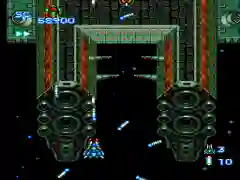
Arriving on the Turbografx-16 in 1991, 1943 Kai is the 'for experts' Japanese revision of Capcom's classic arcade port. Flying my P-38 Lightning through the remixed levels, I noticed the bullet patterns were redistributed—still brutal, but designed for players seeking a slightly more manageable, strategic route to the final showdown with that massive, iconic Japanese battleship.
- 1943 Kai entry snapshot
- Refined Balance over Raw Arcade Punishment: Capcom toned down the sometimes cheap swarms from the original, letting you actually learn enemy waves instead of just memorizing trial-and-error patterns. That doesn't mean it's easy—the challenge is smarter, and pushing towards Stage 5 still demands your absolute focus.
- Critical Power-Up Management: You'll live and die by the power meter in the top-left corner. Collecting POW icons not only levels up your main shot and speed but also slowly recharges the special attack bar. Watching that meter run low while fighting the twin battleship boss in Stage 3 created some of the most tense moments I've had in a shooter.
- The Definitive 16-Bit Home Version: While the arcade cabinet had its charm, this HuCard version gets the controls and smooth, colorful scrolling down far better than most home ports of the era. If you're hunting for the best authentic experience to set high scores on, this is the version you want.
Why play 1943 Kai (Japan) on Retro Games Zone?
After countless loops as a kid, I keep returning for that specific 1991 blend of challenge—where the screen was always colorful chaos, but never unfair. The journey from a single pea-shooter biplane to a fully upgraded fighter screen-clearing destroyer, all within one tight 40-minute campaign, is just peak classic game design.
- A Master Class in Arcade-Style Progression: What feels impossible when you first see the 'All Range Attack' from a carrier becomes second nature. Building your skill through repeated attempts to survive the Submarine Formation encounter is where the satisfaction comes from, a feeling most modern games simply can't capture.
- Genuine Historical Hardware Love: This pushes the humble Turbografx-16 hardware, offering rock-solid 60 frames-per-second scrolling with dozens of on-screen sprites. The orchestral arrangement of the Japanese navy anthem that kicks in during boss fights, pumping through the console's sound chip, is pure auditory nostalgia.
- For Hardened Shooting Game Purists: This isn't a shmup for bullet-hell weaving; it's about strict target prioritization and resource management. Deciding when to cash in your meter for the screen-clearing Electro Bolt attack against Kompira—the game's most harrowing final section—definitely separates the pilots from the trainees.