



Overview
Play Amogus: Sus Version online
Experience classic GBC nostalgia with Amogus: Sus Version, a clever retro hack that blends Among Us gameplay with authentic 8-bit graphics, chiptune audio, and vintage pixel-perfect challenges for true enthusiasts.
Amogus: Sus Version gameplay overview
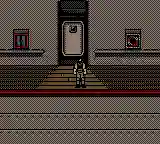
Amogus: Sus Version represents a delightful hack for the Game Boy Color that transplants the scheming heart of modern Among Us into late-‘90s hardware. What you get is a surprisingly faithful 2D top-down space station crawler where you're either carefully performing menial tasks or trying to frame others without raising suspicion. Every decision feels heavier under those iconic crunchy, four-color restrictions you truly only find on a GBC cart. Amogus: Sus Version is a GBC entry prepared for browser play, with platform, controls, and play context worth checking before launch.
- Amogus: Sus Version entry snapshot: Amogus: Sus Version is a GBC entry prepared for browser play, with platform, controls, and play context worth checking before launch.
- True 8-Bit Sabotage: The GBC’s limited chipset transforms the familiar impostor kill into a sudden screen shake and a uniquely chunky one-second sprite animation, somehow making it just as startling against the lo-fi backdrop.
- Authentic Visual Confusion: I spent the first few sessions squinting at the screen thanks to the genuine GBC color dithering and pixel overlap, which actually makes spotting someone slinking through Admin a genuine test of observation worthy of the hardware.
- Eerie Chip-Lullabies: The background music nails the authentic GBC sound channel limitation, with these simple, looping synthetic tracks that slowly get under your skin, becoming nerve-wracking while performing repairs in Electrical.
Why play Amogus: Sus Version on Retro Games Zone?
As a homebrew project, it demonstrates sheer creative ambition with its tight control mapping and clever limitations. More than a joke, it proves those little handhelds could have birthed their own brand of paranoia-driven classics. For a collector of oddities, it’s a technical marvel that respects its source platforms.
- A Proof-of-Concept Masterpiece: You’re witnessing GBC ROM hacking pushed to its logical extremes--implementing a visual language for a concept that didn’t exist when the console was live, making for a fascinating "what if" you can hold in ROM form.
- Bone-Dry Hardware Restraints: Playing with a full-party count, you notice the framerate dips slightly before a vote, just like in expensive licensed titles on the system--those authentic resource-strained moments add a layer of unintended chaos I found charming.
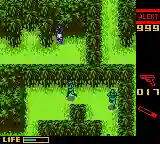
- Perfect Historical Counterpart: Its existence alongside actual titles like ‘Parasite Eve’ and ‘Metal Gear Solid’ on the platform is a conversation starter; it feels less like a mod and more of a lost, risky experiment from a long-forgotten developer, which is the highest praise for any demoscene work.