





Overview
Play Alex Kidd in Miracle World (USA, Europe) online
Play Alex Kidd in Miracle World on Master System, the classic 1986 platformer full of nostalgia. Enjoy rock-paper-scissors boss battles and vibrant 8-bit graphics in this beloved adventure
Alex Kidd in Miracle World (USA, Europe) gameplay overview
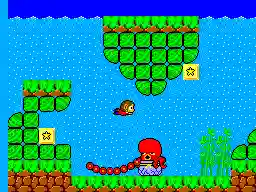
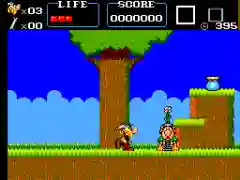
For me, booting up Alex Kidd in Miracle World is stepping into 1986. It's the side-scrolling platformer that was Sega's original mascot effort before Sonic, a game shipped in the Master System's BIOS where it became many European gamers' default cartridge. You guide Alex through forests, castles, and underwater caves, using the infamous spin punch to smash through blocks to find money for the various shops.
- Master System listing context The listed tags point to Action, Adventure, Platformer, giving the page a clearer platforming play style search intent.
- Deceptively Simple World Design: The 17 levels, split across a surprisingly cohesive overworld map, hide clever shortcuts and branching paths. My first time getting to the village of Na-Chur by finding a hidden jar felt like genuine discovery. The game loops you back through familiar areas with new contexts, a smart trick for an 8-bit world.
- Shopping for Survival: You don't just collect power-ups; you buy them. Earning shellac (money) by punching blocks and enemies lets you purchase iconic items like the Pedicopter for tough platforming sections at Baba's General Stores that pop up unexpectedly throughout the stages, forcing you to manage your limited funds.
- Infamous Janken-Pon Duels: Instead of traditional combat, key bosses and random chance blocks pit you in a sudden death game of rock-paper-scissors. There's no skill, just gut feeling. Winning or losing often comes down to a single button press (1, 2, or 3)—a moment of pure tension that's either exhilarating or infuriating.
Why play Alex Kidd in Miracle World (USA, Europe) on Retro Games Zone?
This game holds up not on nostalgia alone but on its genuine personality and unique approach to the genre. It represents a specific era where Japanese game design was still experimenting wildly within hardware limits, and playing it now offers a window into Sega's pre-Sonic ambitions.
- A Genuine Mascot Testbed: Playing Alex Kidd means understanding why Sonic replaced him. He's an oddball protagonist with a weird name, and the game's quirks, from punching to Janken, are its identity. It's gaming history in its raw, unrefined form, which is more fascinating than a polished product.
- Precision Platforming with Punch: Alex controls like a brick at first, requiring you to learn his specific momentum and jump arc, especially on the notorious rock-climbing sections. Success comes from timing and pattern memorization—mastering the distance and trajectory of his jump-punch combo becomes second nature.
- Distinct Identity in a Crowded Era: While contemporaries were riffing on Mario, the Miracle World felt alien. The visual design, with its bizarre enemy types like Moas and Choko, combined shopping and chance-based bosses into a strange, memorable brew that had an oddly charming, almost surreal quality that stuck with you.