


Overview
Play Alex Kidd in Miracle World (USA, Europe) (v1.1) online
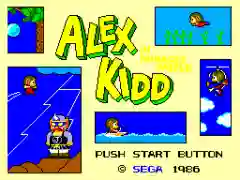
Play the iconic built-in Master System classic Alex Kidd in Miracle World! Journey through classic 80s platforming with unique rock-paper-scissors boss battles. Relive 8-bit nostalgia with challenging retro gameplay, beloved pixel art, and a chiptune soundtrack that defined a generation of SEGA fans.
Alex Kidd in Miracle World (USA, Europe) (v1.1) gameplay overview
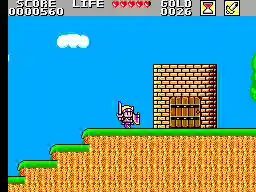
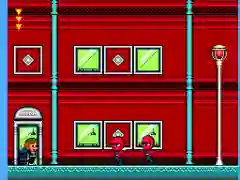
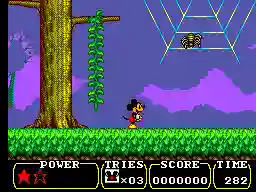
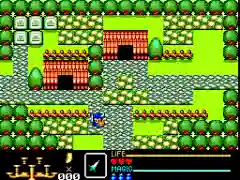
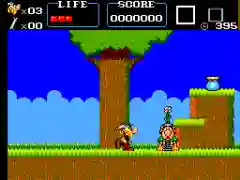
Alex Kidd in Miracle World was Sega's first major mascot platformer, debuting in 1986 with a version 1.1 release featuring crucial tweaks to its now-well-known difficulty. Developed by Sega, it's a quirky side-scroller that sends you across 16 stages searching for your kidnapped brother.
- Alex Kidd in Miracle World version details The listed tags point to Action, Adventure, Platformer, giving the page a clearer platforming play style search intent.
- Janken-Style Boss Battles: Forget reflex-based combat; some bosses can only be defeated by winning a round of Rock-Paper-Scissors, known as 'Janken' in Japan, forcing you to risk a coin for items or guess the correct shape.
- Multi-Stage Platforming & Vehicles: Beyond standard hopping, you'll find yourself piloting the bubble-firing Pedicopter and racing a chopper-style motorcycle in auto-scrolling vehicle sections like 'Radaxian Castle.
- A Treasure-&-Time Loop: You need to collect or purchase items with Zeni you earn, but you're constantly timed by a deathly hand called Moons, pushing you forward through precarious waters in Lake Fathom and other tricky stages.
Why play Alex Kidd in Miracle World (USA, Europe) (v1.1) on Retro Games Zone?
Playing this isn't just about nostalgia; it's a deep dive into late-80s Sega game design and feel, full of bizarre mechanics and stiff but deliberate controls that a real retro fan will appreciate. It's a historical artifact of that awkward, pre-Sonic era when Sega was still figuring out what its signature action game looked like. There's a distinct thrill in beating a boss by predicting its pattern in a Rock-Paper-Scissors throwdown you didn't expect from a run-and-jump game.
- Sega's Pre-Sonic History Chapter: This was *the* Sega platformer before Sonic's speed, offering a slower, puzzle-adjacent challenge that showcases what the Master System could really push graphically.
- A Pure 6th-Gen Console Feeler: The feeling of booting into this, complete with its signature 'Sega' boot jingle and immediately starting to punch the background 'P' blocks to get cash is etched into the memory of a generation in Europe and Brazil.
- Legitimate Classic Challenge: I won't lie—Moons chasing you under tight timers, precise jumps in Baabosa's traps, and a final stretch granting minimal checkpoints demands serious dedication.