

Overview
Play All Night Nippon Super Mario Bros. (Japan) (Promo) online
Discover this rare Japanese promotional Mario FDS edition, featuring unique All Night Nippon themed graphics & classic 8-bit platforming. A legendary treasure for retro gaming nostalgia enthusiasts & hardcore collectors.
All Night Nippon Super Mario Bros. (Japan) (Promo) gameplay overview
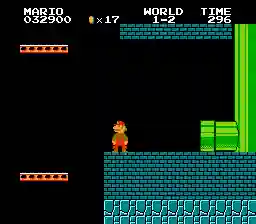
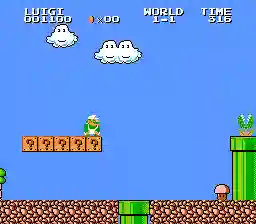
Slipping a Famicom Disk System disk of All Night Nippon Super Mario Bros. and hearing that distinct drive motor whir is a trip back to 1986. This wasn’t sitting on a Toys ”R” Us shelf; it was a rare promotional variant cooked up as a crossover with Japan's major 'All Night Nippon' radio show, giving a famous game a subtly different skin. All Night Nippon Super Mario Bros.
- FDS listing context: All Night Nippon Super Mario Bros.
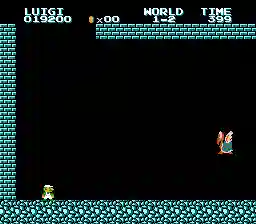
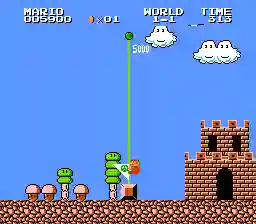
- A B-Side Radio Station Reskin: The familiar brick tiles and character sprites are re-touched to reflect the show's branding. It feels strange at first, like looking at a familiar street where all the signs are just slightly off, which becomes its own appeal.
- Pure, Unaltered Classic Gameplay: Underneath the new coat of paint, it's the exact same game. The physics feel identical—that initial sprint-jump in 1-1 has the same satisfying arc. Even the hidden 1-up in World 1-1 is right where you remember it.
- A Piece of Broadcast Memorabilia: What you're playing here is as much a piece of 80s Japanese pop culture as it is a game. It captures a moment where two entertainment giants, video games and radio, reached out and briefly joined pixelated hands.
Why play All Night Nippon Super Mario Bros. (Japan) (Promo) on Retro Games Zone?
If you've only ever played the widely-released cartridges, this oddball version flips the script. It offers the comforting muscle memory of mastering World 8-4 with the novelty of seeing those recognisable worlds tinted by a slice of Japanese media history, creating a strangely compelling dual experience.
- FDS play value focus on jump arcs, enemy placement, checkpoints, and any hidden route the stage design suggests Mario entries usually reward jump timing, power-up awareness, and careful exploration of side routes.
- Play the Obscure Corner of a Classic: You get the chance to experience one of the franchise's deepest cuts. Discovering the specific graphical swaps and themed touches while the classic Koopa stomp remains unchanged gives the game a fascinating meta-layer for any fan of retro Nintendo history.
- A Time Capsule of FDS Quirks: The gameplay may match the cartridge, but the package doesn't. You get a tangible feeling of the Famicom Disk System era—the flip disk to side B, the distinct audio tone. Mastering a game within those specific, slightly cumbersome parameters has its own distinct satisfaction.
- Nostalgia With a Twist: The game expertly walks the line between comfort food and an alternate reality. The run-and-jump fundamentals are second nature, but spotting the Nippon-themed graphic edits on level flags and block patterns gives a constant, quiet surprise in a world you thought you knew inside out.