












![Persona 2 - Innocent Sin [En by Gemini v1.0a]](https://res.retrogameszone.com/game-thumbnail/persona-2-innocent-sin-thumbnail.webp)
Overview
Play Alone in the Dark - One Eyed Jack's Revenge online
Relive 90s survival horror with Alone in the Dark: One Eyed Jack's Revenge. This classic PlayStation gem offers tense atmospheres, puzzle-solving, and an authentic retro gaming experience.
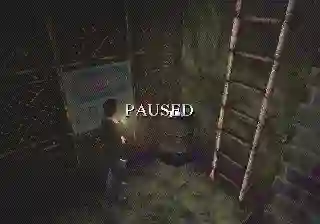
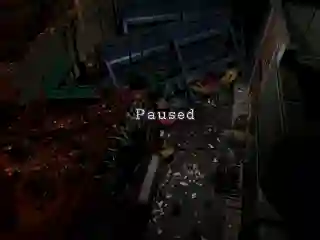
Alone in the Dark - One Eyed Jack's Revenge gameplay overview
Launched into haunted mansions and foggy graveyards in 1996, this PlayStation entry transported the influential Alone in the Dark series to dedicated consoles with atmospheric dread. It's the game that sharpened the fixed-camera, tank-control formula before Resident Evil ran with it, trapping you in a gothic nightmare where every dark corner holds a new terror.
- Alone in the Dark - One Eyed Jack's Revenge entry snapshot
- Atmospheric Fear & Puzzle-Solving: The real monster was often your own creeping dread, punctuated by clever puzzles that required you to scour rooms for faint clues amidst the oppressive mood; finding key items felt like small, hard-won victories against the house itself.
- Classic Tank-Controlled Terror: Turning around while a lurching monstrosity approached was always a panic-inducing affair, a deliberate design choice that made combat feel more desperate and survival itself a puzzle to solve.
- A Genre's Console Baptism: The franchise birthed survival horror, but with this edition you could see the template for its console evolution, swapping pre-rendered PC backdrops for fully explorable 3D spaces that still retained that signature cinematic framing.
Why play Alone in the Dark - One Eyed Jack's Revenge on Retro Games Zone?
As a veteran, I find it delivers an authentic brand of horror—the kind defined more by what you *think* you heard down the hall than repeated shock. It's a portal to gaming's more contemplative era, offering an intelligent, resource-light scare before the genre evolved into pure action. Mastering this world's deliberate, eerie rhythms feels earned.
- PlayStation play value: controller-style movement, menu timing, and memory-card-era pacing.
- Proof that Horror was in the Mind First: Compared to blood-soaked modern counterparts, the chills here rely on your imagination fueled by clever audio design and limited combat resources, a satisfying throwback for horror purists.
- A Snapshot of Genre Evolution: Playing the game is like taking a masterclass from history, watching real-time the ideas it was refining—like fixed camera angles to mask graphical limitations—before other designers perfected them. You can point your finger right at its influences.
- Unmatched Environmental Storytelling: Reading journals scattered by candlelight in dusty studies didn't just fill you in on lore; it actively made environments feel inhabited by tragic history, which made them scarier than any polygonal ghoul.