














![Persona 2 - Innocent Sin [En by Gemini v1.0a]](https://res.retrogameszone.com/game-thumbnail/persona-2-innocent-sin-thumbnail.webp)
Overview
Play Bloody Roar online
Bloody Roar: Classic PS1 fighting game with beast transformations. Experience 1997 nostalgia with unique animal hybrid combat and arcade-style action for retro gaming fans. Master wolf, tiger & rabbit warriors.
Bloody Roar gameplay overview
Brawling on a PlayStation back in 1997, you'd pick up a fighting game and expect something familiar. Instead, Bloody Roar dropped a shocking, teeth-gnashing twist mid-combo, letting you tear apart the screen as an animal hybrid the moment your beast gauge hit full. It wasn't just another fighter; it was a chaotic, shape-shifting spectacle where one wrong move could leave you on the business end of a moloicopter special. Bloody Roar is a PlayStation entry prepared for browser play, with platform, controls, and play context worth checking before launch.
- Bloody Roar platform notes: Bloody Roar is a PlayStation entry prepared for browser play, with platform, controls, and play context worth checking before launch.
- Groundbreaking Mid-Fight Transformations: At its core was that 'B' button moment—pressing down plus two attacks to make Shenlong explode into a tiger or Urikov rupture into an ox. The entire moveset changed, from basic jabs to super moves like Gogandantess's devastating stampede, a complete strategic shift in visual chaos.
- Arcade-Sensei 90s Gameplay: You learned it in the era of quarter circle forwards: string together your Z (Weak) and X (Strong) attacks, launch an opponent, then try stuff like Urikov's Rising Crush into a juggle state. The depth was there in mastering cancel windows and learning when a simple human-mode poke was smarter than a whole-screen beast special.
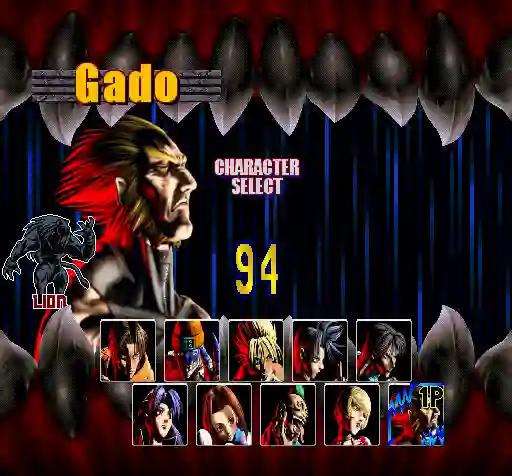
- A Roster of Memorable Hybrids: Beyond the box art wolf Yugo was a rogue's gallery—like Alan the Chameleon who could literally vanish, or long-legged Alice who was all rabbit-speed but a glass jaw. Each fighter's human moves whispered what they'd become; you could feel the wolf's aggression before the transformation even fired.
Why play Bloody Roar on Retro Games Zone?
Looking back now, it feels vital. When you see the raw low-poly models glinting under that stark spotlighting and hear the digital voice lines like 'Beast Out!' you're back fighting on a tiny CRT. The nostalgia isn't just a vibe; it’s in the way a fight's whole rhythm changes when that beast gauge flashes yellow one shot from empty.
- gameplay fit: controller-style movement, menu timing, and memory-card-era pacing.
- Pure Tactical Nonsense That Works: That transformation wasn't for show. As a kid I’d hoard the gauge against Busuzima's poison, then flip into my beast only to have him vanish and appear behind me with a tongue strike. It was an extra layer of mind games modern fighting games often simplify away for purity.
- Pixel-Perfect PlayStation Identity: Playing it now, it’s all signature audio—the crunches and synth chords felt piped right from a pizza-stained demo station. You recognize where they saved polys, but there’s artistry in how they used them. That early 3D jankiness becomes part of the appeal, a time capsule that somehow still holds up better than you'd think.
- A Genre Reminder of Joyful Experimentation: Coming up in an era flooded with more complex series, Bloody Roar didn't burden you. You could pull off Bakuryu's super-fast claw attack without being the god of back-rising specials. It’s a fantastic example of a series that died before it went stale but gave us enough to remember what felt new.