










![Persona 2 - Innocent Sin [En by Gemini v1.0a]](https://res.retrogameszone.com/game-thumbnail/persona-2-innocent-sin-thumbnail.webp)
Overview
Play Bushido Blade 2 online
Experience authentic samurai combat in this groundbreaking PlayStation classic. Bushido Blade 2 features one-hit-kill sword fights and skill-based gameplay from Square that defines retro innovation and nostalgia.
Bushido Blade 2 gameplay overview
Released in 1998 and developed by Square (later Square Enix), Bushido Blade 2 is a weapon-based fighting game I remember distinctly for abandoning health bars in favor of one-hit kills. Playing on PlayStation during that era, the game made every duel white-knuckle intense, forcing you to study an opponent’s movements across beautiful environments before committing to a single decisive strike. Bushido Blade 2 is a PlayStation entry prepared for browser play, with platform, controls, and play context worth checking before launch.
- PlayStation listing context: Bushido Blade 2 is a PlayStation entry prepared for browser play, with platform, controls, and play context worth checking before launch.
- One-Hit-Kill Combat Philosophy: A single well-aimed cut could end a match instantly—I’ll never forget the satisfying ‘clack’ sound of a perfectly timed katana strike finding its mark. The game demanded precise timing and positioning rather than memorizing flashy combos.
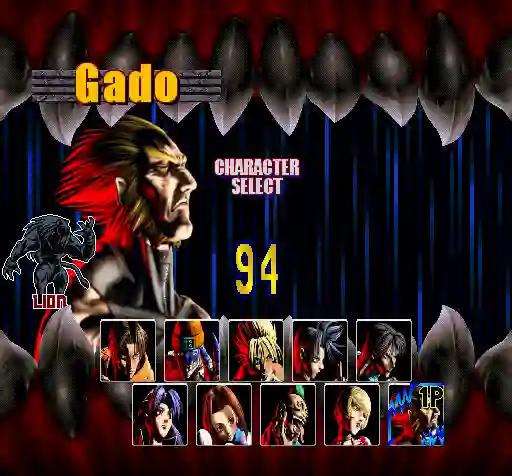
- Multiple Warrior Archetypes: You’d choose from diverse characters, each authentic to their style; from samurai like Tsubaki to ninja like Fujiki, all using period-accurate weapons from naginatas to kusarigama chain sickles. Each character moved and fought using unique techniques based on real kenjutsu principles.
- Dynamic Environmental Stages: Matches took place across distinct 3D environments; you could fight in a winding bamboo forest dense with obstacles, on a temple bridge where falling was instant death, or on mountainous rocky terrain. Terrain elevation genuinely altered your tactical approach to combat.
Why play Bushido Blade 2 on Retro Games Zone?
Even a quarter-century later, you can put on the disc and this PS1 classic holds up brilliantly because it values mental discipline over finger dexterity. It’s for players seeking duels that feel more like sharp, stressful conversations than brawls—each movement says something. I haven’t played anything quite like it ever since.
- Strategic, Psychological Gameplay: Matches are intense mind games; rushing in was a rookie mistake. Winning involved reading feints and waiting for a critical opening that could be reversed by a sidestep. It’s combat distilled to its essential, nerve-wracking components rather than a memorization contest.
- Late-90's Boundary-Pushing Design: During a gaming era obsessed with pushing tech and genre conventions, this game dared to be minimal and lethal. Its focus on realism within a genre known for spectacle was a radical, innovative choice that influenced many later titles like Way of the Samurai.
- Atmospheric Presentation & Niche Legacy: From moody taiko drum scores, the clash of steel, and authentic Edo-period visuals, the game drips aesthetic authenticity within its dated, polygonal charm. For retro enthusiasts, this title’s cult status as a hard-to-categorize fighter is part of its appeal it never lost.