














![Persona 2 - Innocent Sin [En by Gemini v1.0a]](https://res.retrogameszone.com/game-thumbnail/persona-2-innocent-sin-thumbnail.webp)
Overview
Play Dead or Alive online
Master revolutionary holds in Dead or Alive, the classic 3D Tekken-fighter with 10 iconic characters, dynamic stages, and nostalgic 90s gameplay perfection on PlayStation.
Dead or Alive gameplay overview
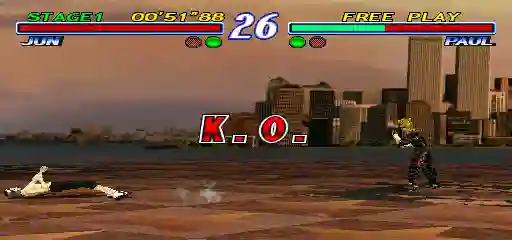
Arriving on PlayStation in 1998, Dead or Alive by Tecmo was a seismic shake-up for 3D fighting games. Beyond the expected flashy roster of fighters, it redefined strategic defense forever with a combat system built on reading and dismantling opponents, not just endless combos. Facing off in The Danger Zone or the Great Wall stage feels just as tense and electric today as it did over two decades ago. Dead or Alive is a PlayStation entry prepared for browser play, with platform, controls, and play context worth checking before launch.
- Dead or Alive platform notes: Dead or Alive is a PlayStation entry prepared for browser play, with platform, controls, and play context worth checking before launch.
- A Perfect Storm of Innovation and Style: DOA wasn't just another fighter in a crowded '90s arcade port; it carved its own path with fluid, fast 60fps animations and a revolutionary 4-way hold system that turned defense into a deadly game of chicken.
- Ten Distinct Personalities in Polygonal Form Each character, from the rogue ninja Kasumi to Bayman's ruthless command throws, demanded distinct timing and created distinctive character rivalries.
- Environments that Fought Back: The multi-tiered stages like Impact, where you could bash your opponent through a ceiling, weren't just backgrounds—they were weapons that rewarded clever positioning. Getting knocked off a cliff in The Danger Zone always resulted in a frantic rush to the middle before the next blow.
Why play Dead or Alive on Retro Games Zone?
In an era flooded with 3D fighters, it earned its shelf space through sheer mechanical brilliance. For those tired of mashing out combos, it demanded precision and gutsy reads. Its particular blend of accessibility and depth became influential, creating a niche that outlasted many trendier titles of the era.
- PlayStation play value: controller-style movement, menu timing, and memory-card-era pacing.
- For the Thrill of Intellectual Combat: Playing DOA at a high level feels less like a brawl and more like poker. Winning an exchange because you correctly predicted a mid-punch and countered with a high hold produces a different, deeper kind of satisfaction rarely found in its peers.
- A Masterclass in Responsive Fighting Feel: There's a frictionless fluidity to everything from sidestepping Hayabusa's flurry of Izuna Drops to the satisfying visual pop during a critical counter. The game's timing window is strict but always communicates why you succeeded or failed brilliantly.
- Time Capsule of Pure 90s Arcade Flair: From the distinctive, thumping techno soundtrack by Makoto Hosoi to the wonderfully dated yet charmingly stylish polygon aesthetics, it's a total immersion into a very particular era of game development. Kasumi's animated win pose, while modest by today's standards, defined cool in 1998.