


Overview
Play Donkey Kong (World) online
Play the enhanced 1994 Game Boy classic Donkey Kong (World). Relive the iconic arcade action with Mario, plus 97 new puzzle-platforming levels. Experience groundbreaking retro gameplay and nostalgic Nintendo charm.
Donkey Kong (World) gameplay overview
Releasing in 1994, Donkey Kong (World) was my go-to Game Boy cart for showing how a simple arcade concept could be reinvented. This wasn't a straight port; it kept the long-running barrels and fireballs while weaving in complex new puzzle layers, creating addictive stages I'd often replay just to memorize their solutions.
- Donkey Kong entry snapshot The listed tags point to Puzzle, Platformer, giving the page a clearer platforming play style search intent.
- Not Your Average Arcade Rehash: Alongside the four classic construction site levels, they crammed in 97 new stages built on intricate logic, like planning a path with colored keys or redirecting enemies. The puzzle layer completely transformed the hunt for Pauline.
- The Blueprint for Modern Puzzle-Platformers: You can't talk about Donkey Kong (World) without acknowledging its DNA in later games like Mario vs. Donkey Kong. This title was the first to perfectly mesh Mario's jumpman moveset with environmental block-pushing and switch-throwing on that portable gray screen.
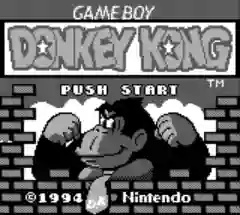
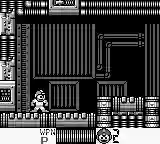
- Pure 8-Bit Handheld Charisma: Those chunky sprites and bouncy sound effects perfectly captured the original's spirit before you even got to the new stages. You knew the moment you heard the familiar start-up 'DUNK!' and saw the limited animation that this was a quality Nintendo product from the ground up.
Why play Donkey Kong (World) on Retro Games Zone?
Its design remains tight because it’s devoid of the fluff that often pads modern platformers. On a plane or train, you can bite off one satisfying level at a time, but the puzzle demands meant you'd often look away from the screen to think.
- platforming fit: compact stages, clear visual cues, and portable-era pacing. focus on jump arcs, enemy placement, checkpoints, and any hidden route the stage design suggests.
- Cerebral Platforming with Quick Reflexes: Where the arcade required immediate split-second leaps, the new levels make you pause—where should you push the metal block, which key should you collect first under pressure? The 'aha!' of solving the room's logic always felt as good as any perfect jump.
- Deep Challenge with a Gentle Learning Curve: They lull you in with those first few old-school arcade boards before the REAL challenge starts. By stage B-06 or something like 'Cable Car Corner,' you're dealing with conveyor belts, multiple switches, and moving hazards all at once. Its difficulty is masterfully paced, which is rare.
- Authentic Artifact of Portable Gaming Innovation: It's not 'baby's first Game Boy game,' nor an unassuming port. It's one of those titles that showed developers you could expand a classic idea in huge, mechanically brilliant ways within the limitations (a tiny cart, a dim green screen) of portable 1990s hardware.