

Overview
Play Sonic CD (USA) online
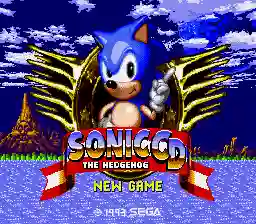
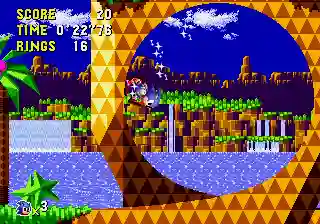
Experience Sonic CD (USA), the iconic 1993 Sega CD platformer. Master groundbreaking time travel mechanics, alter timelines, and collect Chaos Emeralds in this quintessential 16-bit Sonic adventure. Relive pure retro gaming nostalgia with its vibrant pixel art and unforgettable soundtrack.
Sonic CD (USA) gameplay overview
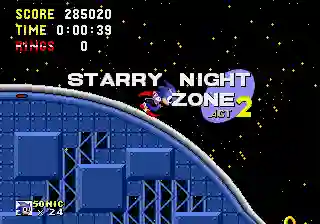
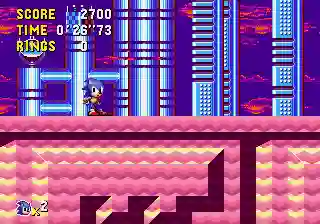
Released in 1993 exclusively for the Sega CD, Sonic CD wasn't just more Sonic. It was a technical marvel that pushed beyond traditional Genesis cartridge limits, bringing full-motion video cutscenes and CD-quality audio to the Blue Blur's quest to rescue Amy Rose and save Little Planet. What I remember most about booting this up wasn't just the flashier intro—it was discovering levels like Collision Chaos that felt like vast playgrounds compared to the earlier 16-bit outings, though that scale could make finding all the robot generators a real chore.
- Sega CD listing context
- The Time Travel Twist: By hitting top speed at specific posts, you could warp between Past, Present, and future eras, fundamentally altering each act's layout, scenery, and enemy placement—a concept simple to grasp but incredibly deep to master.
- Branching Level Design: Zones like Tidal Tempest weren't linear sprints; they were elaborate mazes with multiple vertical loops, hidden springs, and divergent paths that encouraged slow, methodical exploration, a stark contrast to the pure speed runs of previous games.
- The Great Soundtrack Debate: The USA version I grew up with has that iconic, crunchy rock soundtrack for stages like Metallic Madness, but purists will tell you the smoother, synth-heavy Japanese/EU score plays better, making the disc-based audio a key piece of its old-school pull.
Why play Sonic CD (USA) on Retro Games Zone?
You didn't just see the ambition—you felt it in your hands. The devs at Sonic Team were clearly using the Sega CD's horsepower not just for flash, but to experiment with space and consequence. Navigating a desolate Bad Future in Wacky Workbench, where damaging electrical floors replace safe platforms, drove home a narrative gravity few other cart-based mascot games of the era bothered with.
- platforming fit: disc-based loading patterns and cinematic-era presentation. focus on jump arcs, enemy placement, checkpoints, and any hidden route the stage design suggests Sonic entries usually reward ring safety, route knowledge, and clean momentum more than button mashing.
- True 16-Bit Innovation, Not Just Ports: In an era when many CD titles were glorified FMV experiments or extended ports, Sonic CD stood as a proper AAA sequel that re-imagined the core gameplay loop around exploration and consequence, which feels shockingly modern even now.
- Crown Jewel of the Sega CD Library: The console didn't have many genuine masterpieces in its brief life, but this is the one game people remember and emulate, the title that proves the add-on wasn't a total hardware gimmick.
- See the Pixel Art Evolution: The Sega CD's extra color palette breathes life into the metallic sheen of Stardust Speedway or the organic corruption of Quartz Quadrant, letting you see right at the cliff face where 2D sprite art hit its technical zenith before polygons took over.