


![Mortal Kombat II (World) [Hack by Smoke v0.70] (~Mortal Kombat II Unlimited)](https://res.retrogameszone.com/game-thumbnail/mortal-kombat-ii-world-hack-by-smoke-v0-70-mortal-kombat-ii-unlimited-thumbnail.webp)
![Sonic the Hedgehog (USA, Europe) [Hack by LOst v1.0] (Sonic Jam's Easy Mode)](https://res.retrogameszone.com/game-thumbnail/sonic-the-hedgehog-usa-europe-hack-by-lost-v1-0-sonic-jam-s-easy-mode-thumbnail.webp)








![Sonic the Hedgehog 2 (World) (Rev A) [Hack by ColinC10 v1.0] (~Robotnik's Revenge) (Boss Mode)](https://res.retrogameszone.com/game-thumbnail/sonic-the-hedgehog-2-world-rev-a-hack-by-colinc10-v1-0-robotnik-s-revenge-boss-mode-thumbnail.webp)
Overview
Play Sonic the Hedgehog 3 (Nov 3, 1993 prototype) online
Experience the rare Sonic the Hedgehog 3 prototype for Genesis. Explore early level designs, unfinished animations, and test sound variations. A true time capsule of 90s game development for retro enthusiasts seeking pure classic platforming nostalgia.
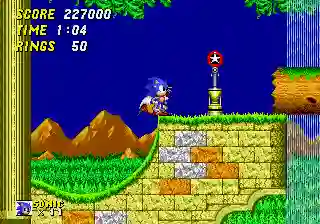
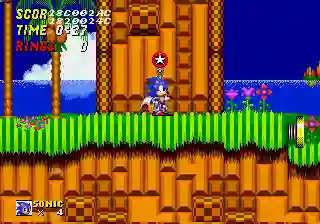
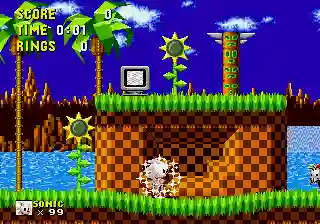
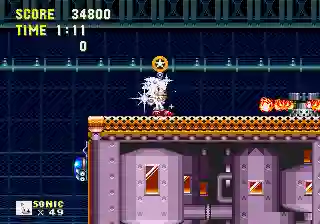
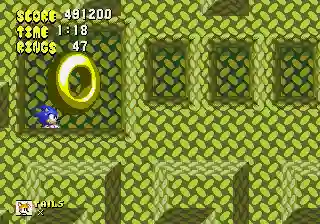
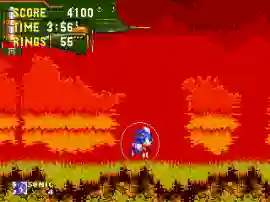
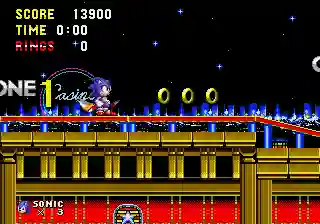
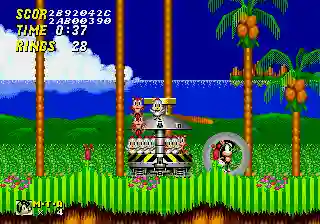
Sonic the Hedgehog 3 (Nov 3, 1993 prototype) gameplay overview
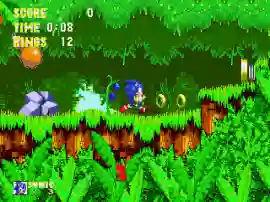
Dusting off this cartridge and popping it into a retail unit was a well-known moment for any Genesis collector. This early prototype freezes a specific moment from November 1993, letting you walk through Angel Island Zone as it was being built, complete with rough edges, placeholder sounds, and design choices the team later rethought.
- Sonic the Hedgehog 3 version details
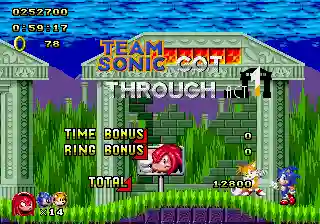
- Time-Capsule Level Layouts: Navigating the first acts is a surreal experience—the gimmick where you run inside the giant palm tree trunks plays differently here, and the placement of those annoying monkey enemies on the vines is often far less brutal in this build.
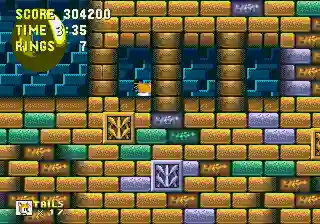
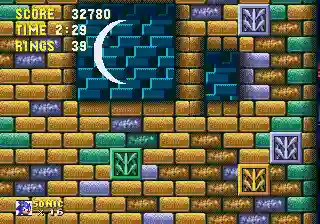
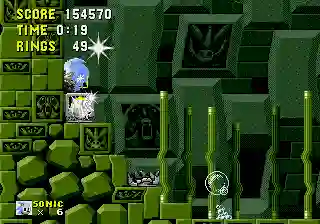
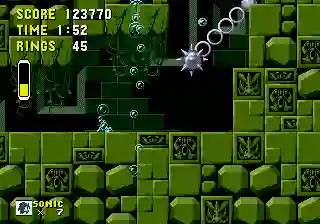
- Title 2: You can literally see the seams in the sprite work; Sonic's spin dash animation might glitch or be missing frames, and the background layers in Hydrocity Zone have a different, almost painterly quality before they were polished to the final glossy sheen.
- Proto-Soundtrack & Missing Melodies: The music is the biggest shock. What would become the iconic tracks for Icecap and Launch Base zones are completely different here, using early synth instruments and placeholder melodies that got scrapped. It’s a fascinating listen that makes me appreciate the final soundtrack even more.
Why play Sonic the Hedgehog 3 (Nov 3, 1993 prototype) on Retro Games Zone?
It’s for the player who’s already memorized every shortcut in the final game and is hungry to see the sausage being made. Playing this build feels like being a tester on a secret dev kit in 1993, offering insights no strategy guide could ever provide.
- platforming fit: fast movement, jump timing, and action-heavy stages. focus on jump arcs, enemy placement, checkpoints, and any hidden route the stage design suggests Sonic entries usually reward ring safety, route knowledge, and clean momentum more than button mashing.
- A Rare Lesson in Game Dev Iteration: Experiencing firsthand how those punishing spike traps in Marble Garden got repositioned or why certain item monitors were removed teaches you more about level design than any tutorial. It shows game polish isn't magic, but a series of deliberate fixes.
- Pure, Unfiltered Genesis Game Guts: Underneath the unfinished graphics, the core physics are unmistakably Sonic. The way you can still pull off a pixel-perfect run through the corkscrews in Carnival Night proves the essence was locked in early, even if it took months to wrap the perfect presentation around it.
- The Ultimate Deep-Cut for Sonic Scholars: Playing a historical document like this connects you to a pivotal year where Sega and Nintendo were in a brutal war for platformer supremacy. You get to handle the raw code that would help define the end of the 16-bit era.