![Street Fighter II' - Champion Edition (YYC bootleg set 2, 920313 etc) [Bootleg]](https://res.retrogameszone.com/game-thumbnail/street-fighter-ii-champion-edition-yyc-bootleg-set-2-920313-etc-bootleg-thumbnail.webp)

![The King of Fighters 2002 Super (bootleg) [Bootleg]](https://res.retrogameszone.com/game-thumbnail/the-king-of-fighters-2002-super-bootleg-bootleg-thumbnail.webp)


![SNK vs. Capcom - SVC Chaos Super Plus (bootleg) [Bootleg]](https://res.retrogameszone.com/game-thumbnail/snk-vs-capcom-svc-chaos-super-plus-bootleg-bootleg-thumbnail.webp)
![The King of Fighters '97 oroshi plus 2003 [Bootleg]](https://res.retrogameszone.com/game-thumbnail/the-king-of-fighters-97-oroshi-plus-2003-bootleg-thumbnail.webp)
![The King of Fighters '97 Plus 2003 (bootleg / hack) [Bootleg]](https://res.retrogameszone.com/game-thumbnail/the-king-of-fighters-97-plus-2003-bootleg-hack-bootleg-thumbnail.webp)
![The King of Fighters 2001 Plus (set 1, bootleg / hack) [Bootleg]](https://res.retrogameszone.com/game-thumbnail/the-king-of-fighters-2001-plus-set-1-bootleg-hack-bootleg-thumbnail.webp)
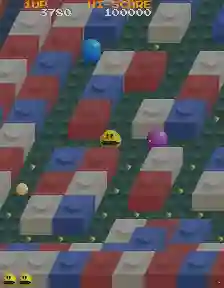
Overview
Play Popeye (revision D) online
Relive 1982 with Popeye (revision D)! Master this Nintendo arcade classic. Rescue Olive Oyl from Bluto in isometric action. Enjoy vintage sprites, nostalgic sound, and spinach-fueled power-ups in this pure retro hit for classic gaming fans.
Popeye (revision D) gameplay overview
Originally a 1983 arcade release from Nintendo, Popeye (revision D) is the definitive reworked version of the classic cartoon adaptation. You guide the muscular sailor through endlessly looping isometric stages, dodging Bluto, collecting hearts, and downing spinach cans to rescue a tossed-about Olive Oyl before your life meter depletes. Its charm lies in faithfully translating the cartoon's slapstick humor and iconic character sprites into a demanding pattern-memorization arcade experience.
- Popeye entry snapshot
- Nintendo's Cartoon-Cabinet Authenticity: This isn't a generic tie-in; you're playing one of the last major arcade titles Nintendo developed before committing wholly to the home console market. The detailed sprite work, from Popeye's bicep-flexing animation to the squawking Sea Hag vultures, perfectly captures the Fleischer cartoons. I remember getting a jolt of recognition every time a black-and-white cutscene would play between levels.
- Deceptively Simple Pick-Up-and-Play Action: Surviving each level cycle requires you to manage two primary systems simultaneously: grabbing all the falling love hearts or musical notes within a tight window, while timing your navigation around the relentless advance and varied attack patterns of Bluto. It’s easy to grasp—just walk, jump, and punch—but mastering the specific rhythm of when to climb ladders versus drop from platforms is what separates tourists from seasoned captains.
- The Pinball-Like Isometric Stage Puzzle: One of the game’s defining tricks is its isometric perspective. Moving diagonally isn't just for show; it's integral to navigating the apartment block, ship, and construction site layouts where objects ping-pong off different surfaces. You’ll need to internalize not only enemy AI, but also the predictable carom angle of a thrown skull or a careening Olive Oyl to plan your route effectively.
Why play Popeye (revision D) on Retro Games Zone?
Revision D smooths out collision detection and minor graphical glitches found in earlier versions, making this the best way to experience Nintendo's charming arcade oddball. It’s a game that plays more like an interactive watch with moving parts than a standard platformer, a skill-based puzzle-box that feels rewarding to dissect. You’d be surprised how tense things get while you’re waiting for the last specific heart to appear so you can finally slug your rival.
- Historical Gaming DNA on Display: Long before Nintendo built worlds for Mario or adventures for Zelda, they were perfecting the single-screen arcade formula here. The core of navigating interactive obstacles, collecting required items, and learning enemy patterns as seen in Popeye directly informed the structure of their eventual run-and-jump behemoth games. Playing this is like pulling a blueprint from a time capsule.
- A Refined Challenge That Respects Your Time: The three-stage loop, governed by the heart meter rather than discrete lives, creates a satisfying arcade tempo. You never lose due to randomness. Each of Bluto’s three distinct attack phases (stage 1 sees him chasing and throwing items, while stage 3 has that brutal high-jump) is learnable through repetition—which revision D’s refined hitboxes makes frustratingly fair.
- A Shot of Pure Eight-Bit Persona: Few games ooze this much personality from a limited toolkit. The way Popeye whistles when descending between floors on the ship, or how Wimpy gleefuly grabs a descending hamburger after an animation plays, are tiny flourishes that show the developers truly understood the source material. It doesn’t just reference old Max Fleischer cartoons; for a few blissful quarters, we truly were in one.