







Overview
Play Ristar - The Shooting Star (USA, Europe) online
Play the classic Sega Game Gear gem Ristar - The Shooting Star! This 1995 platformer features a star hero with unique grab-and-pull mechanics. Experience gorgeous pixel art, tight 16-bit action, and charming interstellar adventure in this cult classic
Ristar - The Shooting Star (USA, Europe) gameplay overview
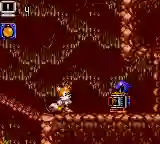
Originally hit the Game Gear in 1995, this platformer from Sonic Team introduces you to the most literal star child in gaming. You're not just jumping on heads here—as the son of a fallen star warrior, those extendable arms let you grab enemies, swing across gaps, and whip yourself through puzzles.
- Ristar - The Shooting Star platform notes
- Grab, Don't Bop: Ristar's stretchy fists completely replace the traditional jump attack. You'll grab enemies to headbutt them, pull yourself to ledges, and swing across gaps by latching onto handles, creating a rhythm distinctly its own.
- A Solar System of Stages: From the verdant jungles of Planet Flora to the fiery factories of Scorch, each world flips the expected platform tropes on their head with gravity shifts, water currents on Undertow, and unique boss brawls against Greedy's minions.
- Pure Sega Polish: This game hums with Sonic Team DNA from the second the title screen music kicks in. Sprite animation is fluid, the color palette pops even on that washed-out Game Gear screen, and it nails that classic '90s Sega game feel, which never truly gets old.
Why play Ristar - The Shooting Star (USA, Europe) on Retro Games Zone?
We all love revisiting a classic console's blockbuster hits, but there's a special thrill in unearthing a perfect, full-featured game that slid under the radar. Ristar isn't an imitation; it's a genuine piece of era-defining creativity that plays as sharply today as it did back then.
- Game Gear play value learn enemy waves, power-up timing, and where the screen gives you safe movement space.
- For a Distinct Mechanical Palette: It answers 'what if' with grace. When so many games were chasing Sonic's speed, Ristar's deliberate, grab-based navigation demands a different kind of spatial reasoning. You remember it for the moments where you launched across a chasm just right, not just for the music.
- To Experience the Pinnacle of Game Gear Dev: By '95, developers knew that system inside-out, and Ristar is a showcase. Complex parallax scrolling on Planet Sonata, detailed enemy sprites, compressed-but-memorable tunes from Tomoko Sasaki—it's a technical high note for a beloved portable.
- Taste Sega at Its Most Inventive: Sonic's shadow was real, so when teams branched out, we often got wild experiments like Nights or this. It’s where you go to argue that Sega always held a secret weapon beyond just mascot power—actual game design. It makes you mourn what might have been.