
Overview
Play Sonic Blast (World) online
Experience Sonic's final Game Gear adventure in this 1996 retro gem! Play as Sonic or Knuckles through a challenging platformer featuring unique pre-rendered 3D graphics that define 90s handheld innovation and pure Sega nostalgia.
Sonic Blast (World) gameplay overview
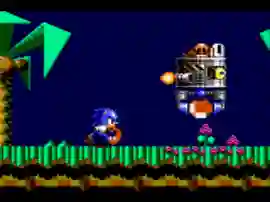
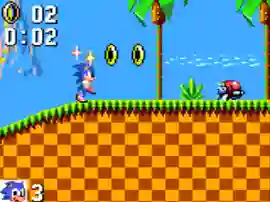
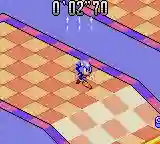
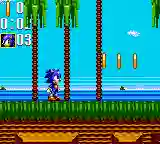
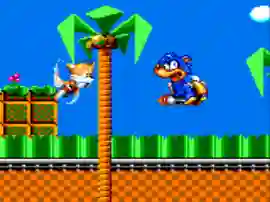
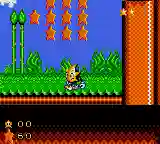
Released in 1996, Sonic Blast is Sonic the Hedgehog's final adventure on the Sega Game Gear, a 2D platformer infamous for its pioneering pre-rendered 3D character sprites. It's more visually distinctive than the graphically sharper 8-bit Master System port, known as Sonic Blast elsewhere, and while I find its look unique, the collision detection from those polygonal sprites can feel imprecise.
- Game Gear listing context The listed tags point to Action, Platformer, giving the page a clearer platforming play style search intent.
- A Polarizing Visual Identity: Don't expect the smooth 2D art of earlier titles; the blocky sprites give it a jarring, pseudo-3D aesthetic. It was ambitious for the system back then, even if the framerate suffered and some animations became choppier as a result.
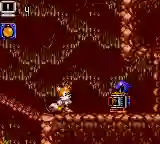
- The Sonic & Knuckles Choice: You pick between Sonic for his trademark speed and spin-dash or Knuckles for his glide and slower climb. Each level’s designed as a single path, but the choice genuinely changes how you approach platforming challenges.
- A Genuine Handheld Challenge: This is no Sonic 1 carryover; the stages like Red Volcano demand more precision. You’ll grapple with a slightly different physics feel from mainline entries, and later zones like Giant Wing feature platforming that’s unforgiving with health management.
Why play Sonic Blast (World) on Retro Games Zone?
Picking up this cart means confronting a curious, often overlooked finale to an era on hardware that wasn't ready for its ambitions. You play this not just for the nostalgia of a 90s handheld, but as a collector and historian exploring the edges and limitations of a portable legend. For a purist, it’s like seeing what happened when you tried putting polygon-based characters in classic environments that were made for 2D. It might make the platforming tough but it gives real perspective on the era. It offers zero nostalgia for that, sure, but also insight into a series’ technical evolution. Its sheer difficulty will test your skills.
- It Holds a Place in an Official Chronology: It has an official connection as the last-ever Game Gear Sonic game you could get in a store; its unique appearance makes you part of a very niche discussion among retro archivists, and mastering its distinct physics demands actual gaming chops rather than memory of controls alone. When you clear it, finishing the final boss in the final stage, you’ll know you’ve completed a series. Knowing you’ve overcome its particular brand of frustration is like earning a badge of honor that only fellow Game Gear veterans will understand.
- You Appreciate a Forgotten Visual Gamble: For historians, this is a case study in graphical hubris; we never got another Sonic platformer that used the trick after this; exploring how that distinct blocky look works – or how it sometimes, frustratingly, gets in the way of gameplay. Even the backgrounds feel less detailed than their 16-bit counterparts; you get a sense they had to scale back environmental art to handle those complex character sprites; seeing that trade-off in motion, you can literally see where memory compromises were made.
- It Genuinely Challenges Traditional Sonic Mechanics: It’s a legitimate play for classic platformer fans who think they’ve seen it all: it’s a title where the difference between success and losing rings feels like part math, part luck because of those strange hitboxes. There’s a learning curve; the way you’ll have to time attacks on bosses in Crystal Night is precise due to wonky animations. That initial learning curve can’t feel good, but there’s a weird satisfaction to overcoming what others wrote off as clunky physics and collision. Those same elements, once you get acclimated, give you insight about how the developers tried to innovate while keeping old rules.