








Overview
Play Sonic Drift (Japan) online
Relive the 90s with Sonic Drift, the first-ever Sonic kart racer! Experience classic Sega Game Gear 8-bit racing with iconic characters and vibrant tracks. Perfect for retro gaming nostalgia and fans of handheld classic gaming collections.
Sonic Drift (Japan) gameplay overview
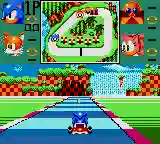
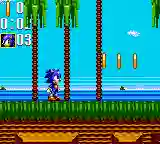
First picking up a Game Gear to play Sonic Drift feels like discovering a forgotten chapter in Sonic history. Released only in Japan in 1994, this handheld kart racer was Sega's initial answer to the growing kart genre, capturing that vibrant chaos of 16-bit Sonic designs on a much smaller screen. The music and visuals are a pure shot of 1994 nostalgia, with all the pixel charm you'll remember.
- Sonic Drift entry snapshot The listed tags point to Action, Driving/Racing, giving the page a clearer platforming play style search intent.
- Blueprint for the Future: Racing as one of four characters—Sonic, Tails, Eggman, or Amy—reveals the core racing engine Sonic Team would refine later. I'm still struck by how each Grand Prix circuit draws from the color palette and aesthetic of Green Hill and other early Genesis zones, translating them into surprisingly sharp courses.
- Chaos in a Powerup Box: While there's a standard 'use item' button, mastering when to deploy the Spike or Spring power-up is surprisingly strategic. Forcing the A.I. into a specific track corner with a well-timed Spike always brought immense joy for its sense of control.
- Raw Historical Authenticity: Playing the Japanese cart, loaded with katakana stats screens and the original sprite work, is like cracking open a small time capsule. Some frame rate dips occur and the music is simpler compared to the sequel, Sonic Drift 2, but every limitation is a piece of the platform's story.
Why play Sonic Drift (Japan) on Retro Games Zone?
It represents a genuine moment in Sega evolution. If you find the later, fully realized Sonic racing series great but daunting, starting with Sonic Drift clarifies the foundational design—you can't overlook that. This game taught a generation how items could fit into a Sonic-speed mindset.
- platforming fit focus on jump arcs, enemy placement, checkpoints, and any hidden route the stage design suggests Sonic entries usually reward ring safety, route knowledge, and clean momentum more than button mashing.
- See the Genre’s Origin Point: Historians and fans can observe where Sonic R's ideas first sprouted. The way Sonic's top speed was prioritized at the expense of all else is a pure design philosophy they wouldn't repeat.
- Authenticity That Demands Skill: You'll encounter stiff A.I. rival battles typical of 90s Sega—Dr. Eggman’s bot would be ruthless in straight sections, challenging my reflexes. Mastering braking without losing all your momentum on Emerald Hills is a surprisingly rewarding task with the limited control scheme.
- Bite-Sized Legacy: I could finish Cup Championships in minutes, perfectly fitting the handheld philosophy. It doesn’t linger unnecessarily; the Japanese track tunes loop briefly but remain surprisingly catchy in your head, and it serves this condensed, pick-up-and-play style wonderfully.